A Strong Brand Needs Both Recognition and Meaning
When people hear the word brand, they often think first about the visual pieces.
The logo.
The colors.
The fonts.
Those things matter.
They help people recognize your business and create consistency from one application to another.
But recognition is only part of the job.
People also need to understand what your business stands for, who you help, what makes you different, and why that difference matters.
That is where your message comes in.
A strong brand needs both.
Your Visual Identity Helps People Recognize You
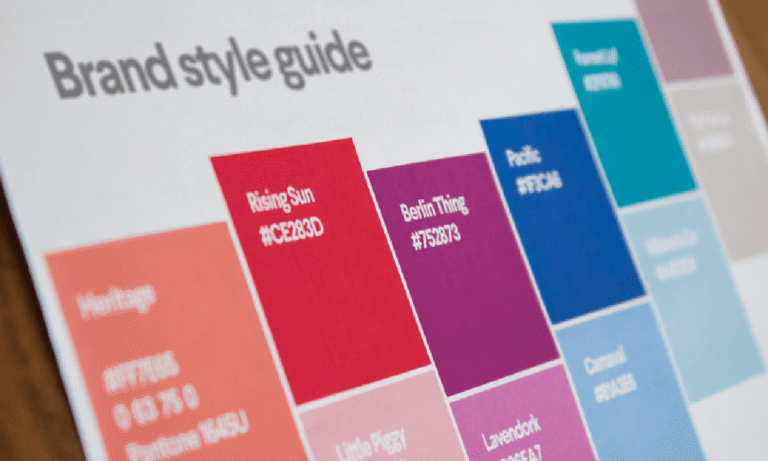
Your logo, colors, fonts, and other visual standards create familiarity.
When those elements are used consistently, customers begin to recognize your business before they even read the words.
That consistency also makes life easier internally.
Employees, designers, printers, vendors, and anyone else creating materials for the business know what to use instead of guessing.
But visual consistency alone does not tell the customer why they should choose you.
Your Message Helps People Understand You
That is the other half of the equation.
Your USP, differentiators, core message, benefits, and proof help people understand:
- Who you help
- What you help them with
- What makes your approach different
- Why that difference matters
A business can look polished and still be difficult to understand.
And it can have a strong message but look inconsistent or unprofessional.
Neither side should have to carry the whole load.
The Pieces Should Reinforce Each Other
Your brand should tell one connected story.
The visual side creates recognition.
The messaging side creates understanding.
Your differentiators give people a reason to pay attention.
Your USP helps clarify why you may be the right choice.
Your core message gives you language you can adapt for different situations.
And your brand standards help keep the presentation consistent.
That is when the pieces start working as a system instead of as separate projects.
Consistency Does Not Mean Everything Looks the Same
A business card does not have to look exactly like a social media graphic.
A presentation does not have to look exactly like a brochure.
And you do not need to repeat the exact same sentence everywhere.
Consistency means the pieces feel connected.
The colors are recognizable.
The logo is used correctly.
The typography is familiar.
The message reinforces the same positioning.
The business sounds like the same business wherever people encounter it.
Ask Whether the Pieces Agree
One useful exercise is to put several of your current materials side by side.
Your logo.
Business card.
Brochure.
Social graphics.
Presentation.
Website screenshots.
Then look at the language you are using to describe the business.
Ask yourself:
Do these pieces look and sound like they belong to the same business?
- Does the visual identity feel consistent?
- Are you describing the same value?
- Are your strongest differentiators showing up?
- Does the message reflect the business you are today?
If not, you have found an area that needs alignment.
This Is Not the End of the Foundation
Getting the brand and message aligned is an important step.
But it is not where the work ends.
The next question is:
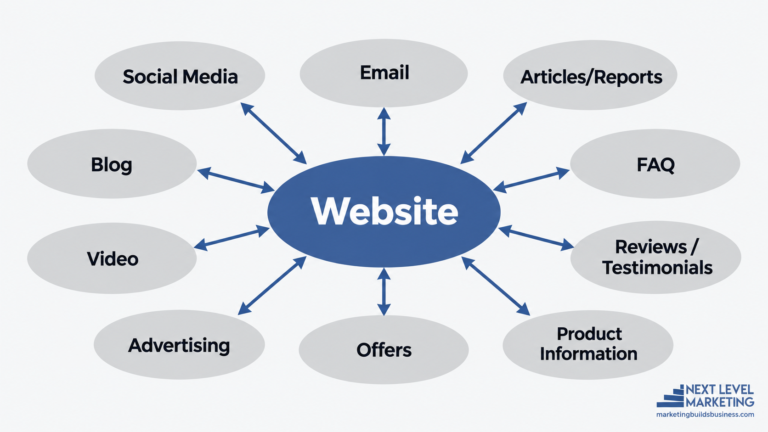
Are these same standards and messages showing up consistently where customers actually find you?
- Your website.
- Your Google Business Profile.
- Your social profiles.
- Your lead-capture process.
- Your printed materials.
Those are the places where the brand and message have to go to work.
And that is where we are headed next.
The Bottom Line
Your visual brand helps people recognize you.
Your message helps people understand you.
Your differentiators help them see why you may be the right choice.
And when those pieces work together, you have a much stronger foundation to build the rest of your marketing on.