Google Is Today’s Yellow Pages
There was a time when the Yellow Pages were one of the first places people went when they needed to find a local business.
Need a plumber?
Look it up.
Need an electrician?
Look it up.
Need a jeweler, accountant, contractor, auto shop, attorney, restaurant, or repair service?
Look it up.
The big yellow book may be gone.
But the behavior is not.
Today, people go to Google.
They pull out a phone.
They search for a business.
Or they search for a service.
And within seconds, they are looking at a list of options.
That makes your Google Business Profile a very important part of how your business is found and evaluated.
Your Profile May Be the First Thing They See
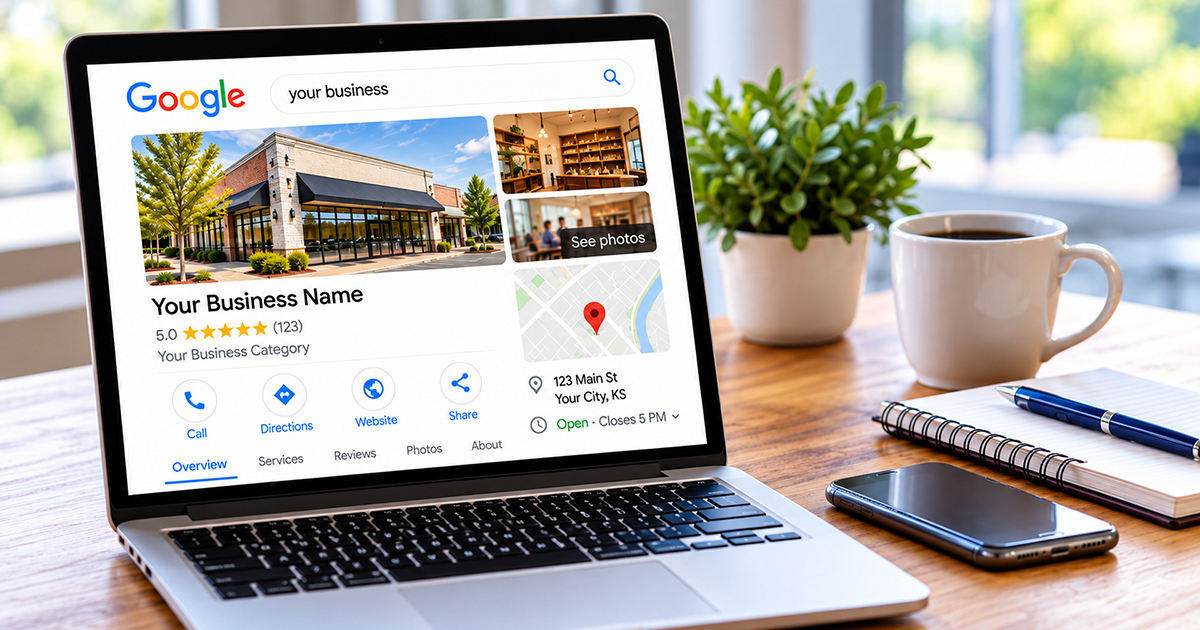
A prospective customer may encounter your Google Business Profile before they ever visit your website.
They may immediately see:
- Your business name
- Phone number
- Website
- Hours
- Location or service area
- Photos
- Reviews
- Services
- Business category
That is a lot of information to absorb before they ever click through to learn more.
And whether you realize it or not, they are already forming an impression.
Does the business look current?
Professional?
Active?
Legitimate?
Relevant to what they need?
The Yellow Pages Analogy Still Works
Years ago, imagine opening the Yellow Pages and finding a business listing with:
- An old phone number
- The wrong address
- Missing information
- The wrong category
- No clear indication of what the business actually did
You probably would not have had much confidence in calling.
The same thing happens now on Google.
Only now, the customer does not even have to turn the page.
They can simply tap the next business.
An Outdated Profile Creates Friction
Businesses change.
Hours change.
Services change.
Phone numbers change.
Websites change.
Locations change.
Staff changes.
But profiles often do not.
That is where problems start.
If the information someone finds on Google does not match the business they encounter elsewhere, it creates uncertainty.
And uncertainty makes it easier for the customer to keep looking.
Your Profile Should Reflect the Business You Have Today
At the very least, review:
- Business name
- Phone number
- Website
- Address or service area
- Hours
- Primary business category
- Services
- Photos
- Description
Do not assume the information is still right because you set the profile up years ago.
A profile is not a one-time project.
It should evolve as the business evolves.
Completeness Matters Too
Accuracy is the first priority.
But completeness matters too.
If your profile gives you opportunities to explain your services, show your work, add photos, or provide additional information, use them.
The goal is not to stuff the profile with information.
The goal is to give a prospective customer enough useful information to understand the business and decide whether it is worth taking the next step.
Reviews Help Build Confidence
The old Yellow Pages could help you find a business.
It could not tell you what other customers thought of it.
Google can.
That means reviews now play an important role in the decision-making process.
Prospects can see:
- How many reviews you have
- How recent they are
- What customers say
- Whether you respond
Those things all contribute to the impression the business creates.
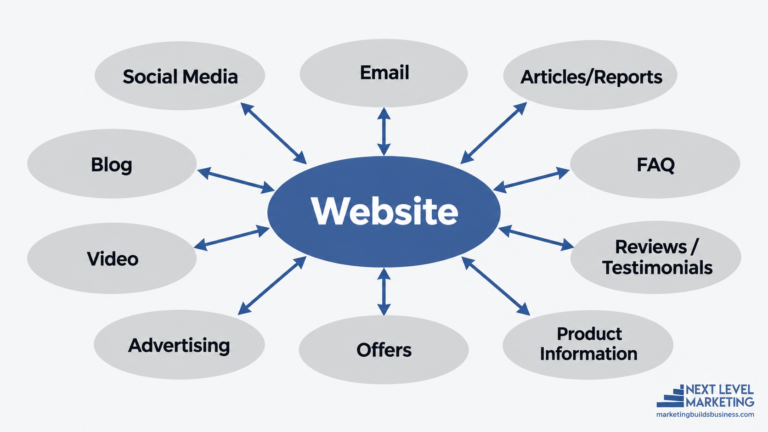
Your Google Profile and Website Should Support Each Other
Your Google Business Profile does not replace your website.
They have different jobs.
Google may help people discover and quickly evaluate the business.
Your website gives them a deeper place to learn more.
The two should reinforce each other.
The business information should match.
The services should make sense together.
The brand should feel consistent.
The message should not feel disconnected.
The Bottom Line
The Yellow Pages used to be one of the first places people went to find a local business.
Today, Google fills that role.
That makes your Google Business Profile a critical part of your marketing foundation.
If someone searches for your business — or searches for the service you provide — the profile they find should be accurate, current, complete, and representative of the business you have today.
Because if it is not, the problem is not just administrative.
It is marketing.